New Moon vs Full Moon Stargazing: Which Night Is Better?
The Moon is the most obvious object in the night sky, and it is also the biggest variable for any stargazing session. A new moon leaves the sky dark and deep. A full moon floods it with light. Which is better? The honest answer is that it depends on what you want to see. If you are chasing galaxies and the Milky Way, the new moon is your ally. If you want to study the lunar surface or enjoy a bright, easy-to-find target, the full moon delivers. Here is how to choose.
The Case for New Moon Nights: Darkness Rules
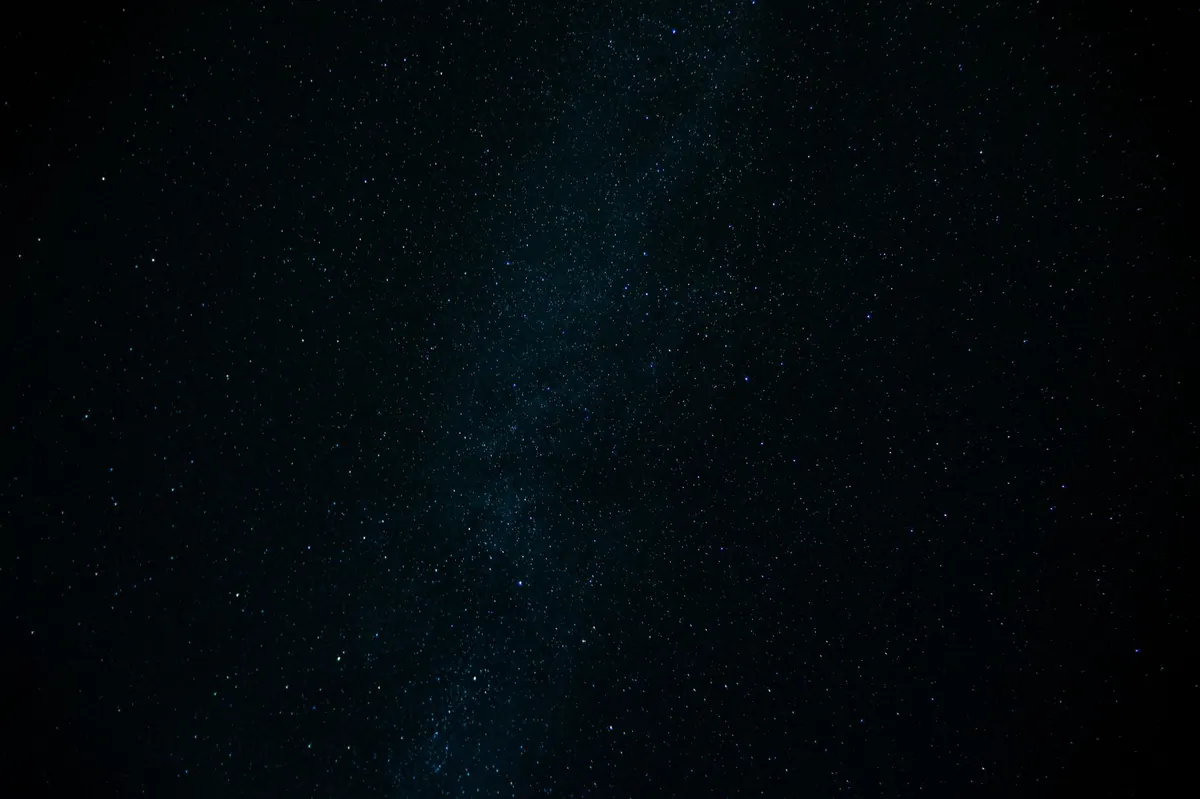
New moon nights are the gold standard for deep-sky observing. With no moonlight, the sky reaches its natural darkness, assuming you are away from city lights. That darkness is everything. Faint objects like the Andromeda Galaxy, the Triangulum Galaxy, and the North America Nebula become visible or at least detectable. The Milky Way stretches from horizon to horizon, its dust lanes and star clouds standing out. Even from a suburban backyard, a new moon can make the difference between a washed-out sky and a sky where you can trace the constellation of Cygnus.
The best window is not just the night of the new moon itself. The Moon is absent from the evening sky for several days before and after. Aim for the three to five nights centered on the new moon. Check a moon phase calendar and note moonrise and moonset times. If the Moon sets at 9 p.m., the rest of the night is yours. Use that window. Let your eyes adapt for at least 20 minutes. Avoid white light. Red flashlights only. The reward is a sky that feels three-dimensional.
The Hidden Value of Full Moon Nights
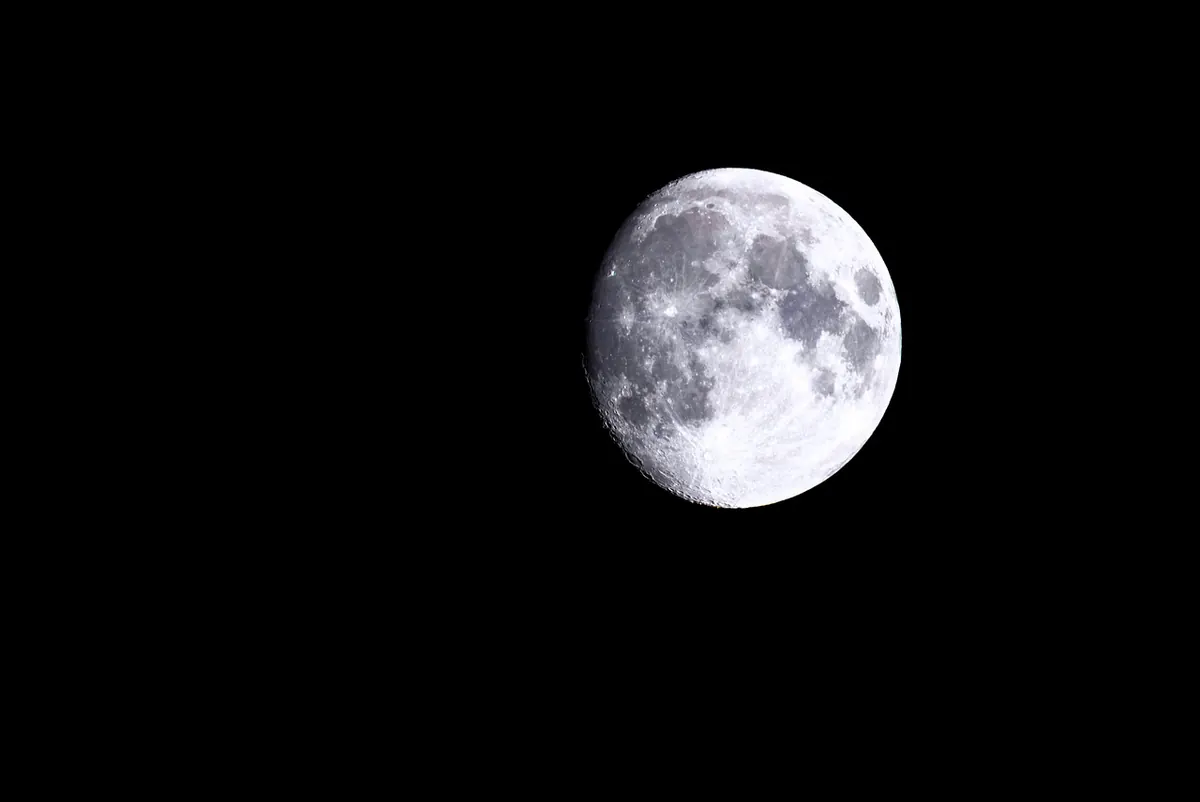
Full moon nights get dismissed by deep-sky observers, and for good reason: moonlight scatters in the atmosphere and raises the background brightness. Faint fuzzies disappear. The Milky Way fades to a faint smudge or vanishes entirely. But writing off the full moon is a mistake. It is the best time to observe the Moon itself. The full disk is bright and easy to find, even with binoculars or a small telescope. You can see the dark mare, the bright highlands, and the ray systems around craters like Tycho and Copernicus.
The full moon is also a social object. It is a great target for a first telescope session with friends or family because it is unmistakable and does not require dark adaptation. And let us not forget lunar eclipses, which only happen at full moon. So a full moon night is not wasted; it is simply a different kind of night.
Milky Way and Deep-Sky Visibility: A Clear Winner
Compare the two directly. On a new moon night at a dark site, the Milky Way is a structured band of light with dark rifts and bright knots. You can see the Lagoon Nebula, the Wild Duck Cluster, and the Andromeda Galaxy with its dust lanes. On a full moon night, even at the same dark site, those objects are either invisible or reduced to faint smudges. The Milky Way may be completely gone.
This is not a subtle difference. It is the difference between observing a galaxy and not observing it. If your list includes nebulae, galaxies, open clusters, or globular clusters, the new moon is clearly better. The only exception is bright planets and double stars, which can cut through moonlight. But for deep-sky work, the new moon wins by a wide margin.
Lunar Observing: What the Full Moon Offers
If your target is the Moon, the full moon is your only choice between these two phases. A new moon means no Moon to observe. But here is a nuance: the full moon is not the best phase for lunar detail. When the Sun is directly behind the observer, the lunar surface has no shadows, so craters look flat and washed out. The best lunar observing happens near the terminator, the line between day and night on the Moon, which is visible at quarter phases.
So on a full moon night, focus on features that benefit from direct illumination: the bright ray systems, the dark maria, and the overall albedo patterns. Use a moon filter to cut glare. High magnification can still reveal fine details if the seeing is steady. And if you are a photographer, the full moon is excellent for capturing the entire disk with a telephoto lens or a telescope. While full moon nights are poor for deep sky, they are rich for lunar study.
Planning Your Session Around the Lunar Calendar
Here is a practical routine to get the most from either phase. First, decide what you want to observe. Deep-sky objects? Plan for new moon. Lunar surface, planets, or a bright comet? Plan for full moon or nearby phases. Second, check the moon phase and moonrise and moonset times for your location. Many weather apps and astronomy sites provide this. Third, consider twilight. The best dark sky window is between the end of astronomical twilight and the start of dawn. Fourth, prepare your equipment. For new moon deep-sky sessions, bring a star atlas, a red light, and warm layers. For full moon lunar sessions, bring a moon filter, high-power eyepieces, and a comfortable chair. Fifth, manage your expectations. A full moon will never show you the Milky Way. A new moon will never show you the Moon.
Use this checklist:
- New moon: deep-sky objects, Milky Way, dark adaptation, dark site.
- Full moon: lunar surface, bright planets, lunar eclipse, moon filter.
- Either: check weather, plan for twilight, bring water and snacks.
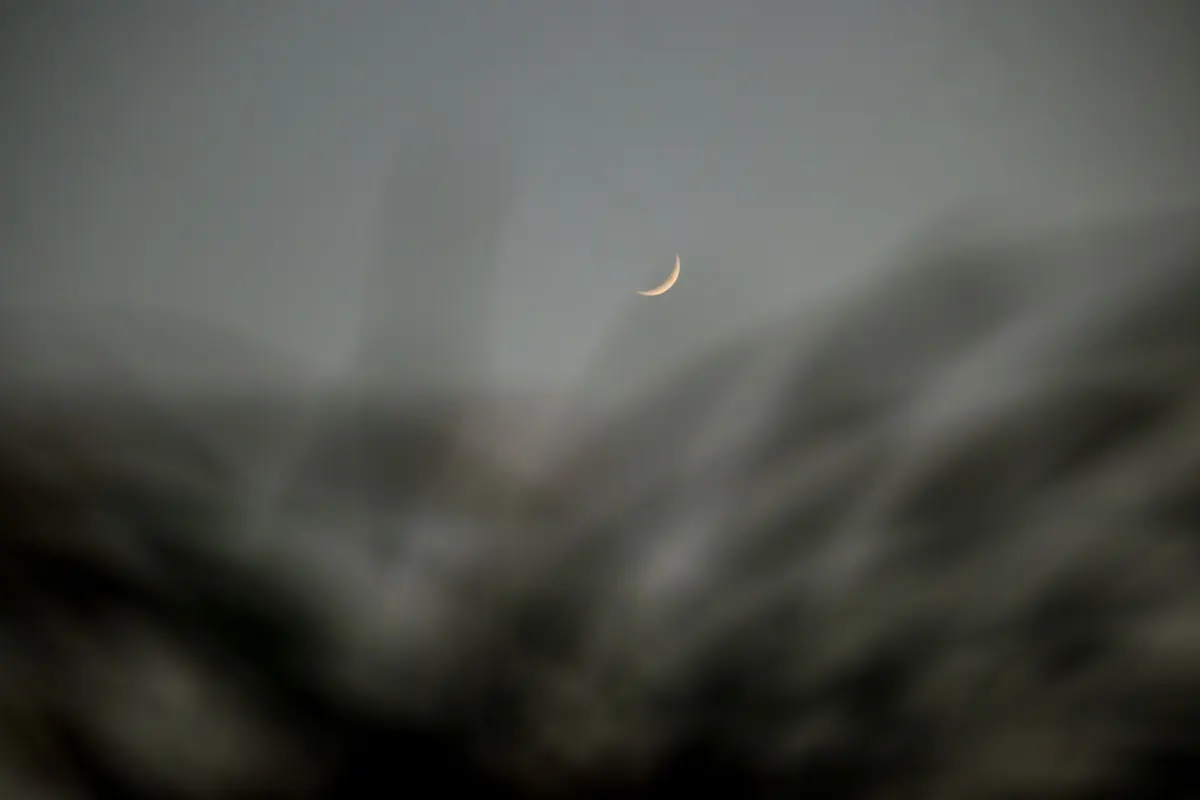
Remember that the Moon's phase changes every night. You can often find a compromise. A waxing crescent sets early, leaving a dark window after moonset. A waning gibbous rises late, giving you a few hours of darkness before it appears. These shoulder nights can be surprisingly productive.
The Bottom Line: Match the Night to Your Target
Neither new moon nor full moon is universally better. The new moon is better for sky darkness, Milky Way visibility, and deep-sky targets. The full moon is better for lunar target viewing, bright planets, and lunar eclipses. If you want a single recommendation: for most stargazing, especially from suburban or rural areas, the new moon is the more versatile night because it opens up the entire deep sky. But do not skip full moon nights. They are perfect for learning your way around the Moon, testing new eyepieces, or sharing the sky with someone who is new to astronomy. Check the calendar, pick your target, and let the Moon phase guide you. The best night is the one that matches what you want to see.
Photo: Gammel Knecht / Pexels
How to Plan a Moonlit Landscape Photography Session
Plan a moonlit landscape shoot by choosing the right phase, timing the moonrise, dialing in exposure, and...
Sidereal vs Synodic Month: Why Lunar Calendars Drift
The Moon returns to the same stars every 27.32 days, but its phases take 29.53 days. That 2.2-day gap...