Monthly Lunar Calendar Planning Checklist for Backyard Observers
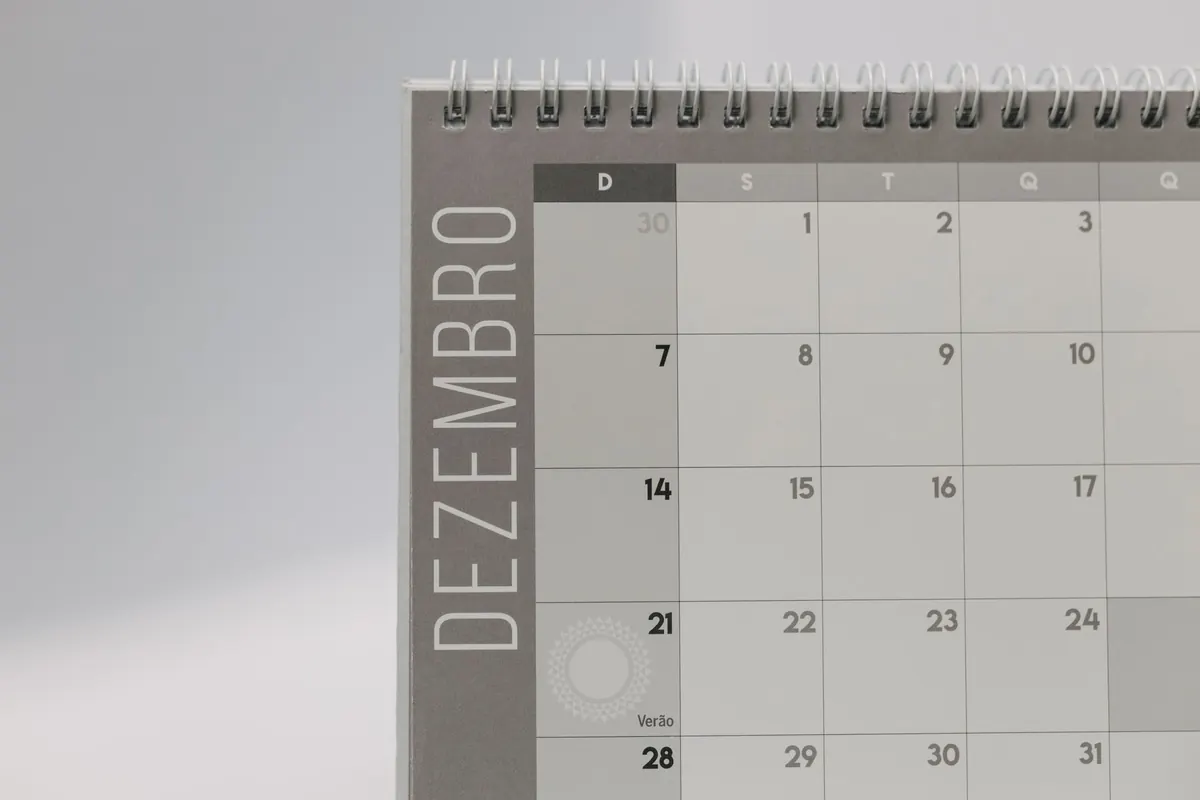
The moon keeps its own schedule, and it is not the one printed on your wall calendar. A lunation — new moon to new moon — runs about 29.5 days, so the best dark-sky nights in any given month land on different dates every time. Planning around that takes ten minutes at a kitchen table. Skipping it costs you an entire month of clear evenings spent squinting at a washed-out sky.
What follows is a printable checklist for backyard observers: the dates worth marking, the details worth writing down, and a simple way to match each phase to the objects that actually reward your attention.
Start With the Lunation, Not the Calendar Month
Stop thinking in months. Think in lunations. Each one begins at new moon and moves through first quarter, full moon, and last quarter before beginning again. Once you frame the month that way, the useful nights sort themselves into two groups: dark nights for faint deep-sky work, and bright nights for the moon itself, planets, double stars, and anything else that shrugs off light pollution.
Print a single page with four rows — one for each quarter of the lunation — and leave space beside each for notes. That page becomes your plan for the month.
The Dates Worth Marking
Before you fill in anything else, mark these five entries. Give each one a line, not just a date.
- New moon. Note the exact time, not just the day. Many calendars list it in UTC, so convert to your local clock before you write it down.
- Dark-sky window. Roughly three nights on either side of new moon. Seven nights total, weather permitting. This is your deep-sky window.
- First quarter. The terminator runs down the middle of the disk, and crater relief is at its most dramatic along that line.
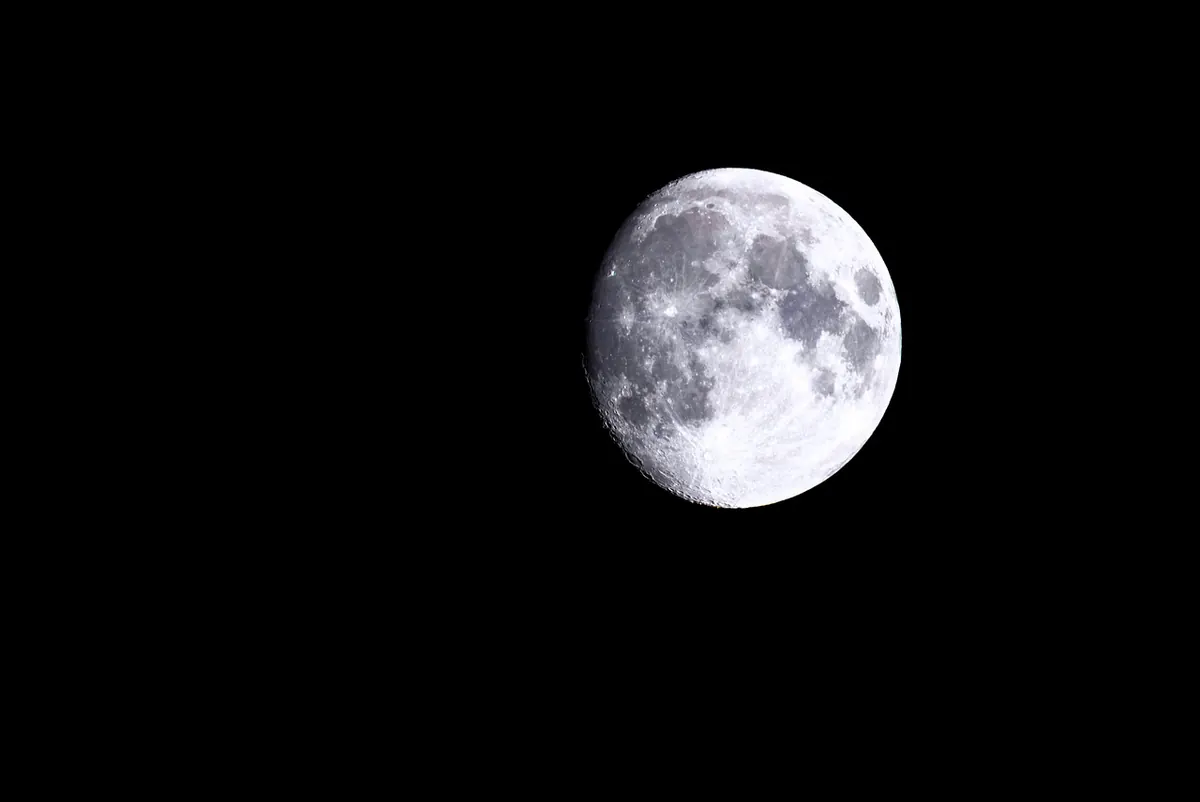
- Full moon. The one night when faint objects are hopeless and the moon itself is overwhelming. Plan accordingly.
- Last quarter. A quieter phase. The moon rises around midnight and hangs in the morning sky, which suits early risers and daylight lunar observing.
Add two optional lines if the month calls for them: any eclipse, occultation, or close planetary conjunction, and the moon's perigee and apogee dates if you like tracking how much of the sky the disk covers.
Read the Rise and Set Times, Not Just the Phase
A phase name tells you the moon's shape. It does not tell you whether the moon will be up when you are. First quarter rises near noon and sets near midnight; full moon rises at sunset and sets at sunrise; last quarter rises around midnight and sets around noon. The moon climbs roughly fifty minutes later each night, which is why a waxing crescent that was conveniently placed on Tuesday may be sitting in the treetops by Thursday.
Write the moonrise and moonset times beside each date. Then note when true darkness begins in your location — the end of astronomical twilight. On a night with an early moonrise, your dark window may be ninety minutes wide. Knowing that in advance saves you from setting up an eight-inch scope for a fifteen-minute session.
Two details that pay off
Check the moon's declination. A high-declination moon in winter stays up for many hours; a low one in summer crosses the sky quickly and skims the horizon haze. And check libration if you are a lunar observer: the slight monthly wobble reveals a bit more of one limb or the other, so features near the edge are easier on some dates than others.
Fill In Your Checklist
Once the raw dates are down, work through this sequence. It takes a few minutes and turns a list of phases into an actual observing plan.
- Write the lunation's date range at the top of the page.
- Mark new moon, first quarter, full moon, and last quarter with local times.
- Shade the three nights on either side of new moon as your dark-sky window.
- Add moonrise and moonset for each night you might observe.
- Note twilight end and whether the moon is above the horizon during it.
- Assign one primary target per usable night, with a backup that works under brighter skies.
- Write the equipment you will need beside each target — binoculars, wide field, high power, filters.
- Leave a blank line for what you actually saw. Future you will want it.
Match Targets to Phases
Half the frustration of backyard observing comes from pointing the wrong instrument at the wrong sky on the wrong night.
Around new moon
Galaxies, diffuse nebulae, open clusters, and the Milky Way if you have the sky for it. This is also the best time to chase faint comets or hunt for the gegenschein. Plan your longest sessions here.
Waxing crescent
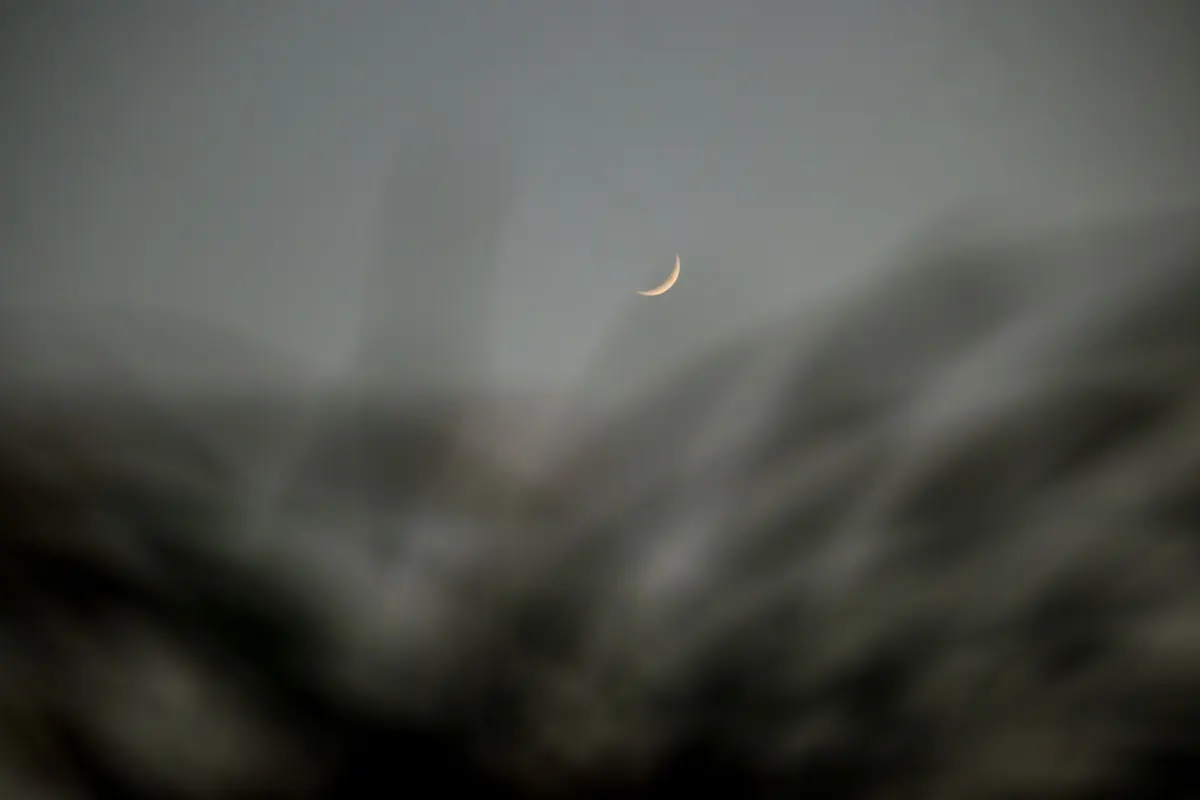
Earthshine on the dark limb is at its most beautiful in the first few days after new moon. It is also a fine time to catch Mercury or Venus low in twilight, since the crescent sets early enough to leave the western sky to them.
First and last quarter
The moon itself is the target. Long shadows along the terminator turn craters into landscapes. The Lunar X and V clair-obscur effects appear for a few hours near first quarter, though the exact window shifts month to month — check a clair-obscur table or a lunar app for your date.
Full moon
Ray systems, mare boundaries, and bright crater floors read well under direct light. Filters help. So does lower magnification, which reduces the glare and steadies the view. If you do public outreach, this is the night to do it.
Waning phases
The moon is up in the morning, which means you can observe it in daylight before work. It also means the evening sky is dark and getting darker. Use the last few nights before new moon to start your deep-sky list early.
Weather, Backup Plans, and Realistic Expectations
Most months, at least half your planned nights will be clouded out. That is normal, not a failure of planning. Build slack into the schedule: if the dark-sky window is seven nights, assume two will work. Write a short list of targets that tolerate moonlight, so a bright but clear night is not wasted.
Keep the checklist on paper. A printed page does not need a battery, does not dim when your eyes adapt, and does not tempt you to scroll. Tape it inside the lid of your eyepiece case, or pin it above the desk where you charge things. If you observe away from home, photograph the page with your phone so the plan travels with you.
Your Ten-Minute Monthly Ritual
Pick one evening each month — the night of new moon works well, since you are not observing anyway — and rebuild the checklist from scratch. New dates, new times, new targets. Keep last month's page. After a season or two you will have a small stack that tells you what your sky actually does: which weeks deliver, which targets keep slipping, how often the forecast lies.
That stack is worth more than any app. It is your own record of the moon's month, written in your own hand, and it gets better every lunation.
Photo: Matheus Bertelli / Pexels
How to Plan a Moonlit Landscape Photography Session
Plan a moonlit landscape shoot by choosing the right phase, timing the moonrise, dialing in exposure, and...
Sidereal vs Synodic Month: Why Lunar Calendars Drift
The Moon returns to the same stars every 27.32 days, but its phases take 29.53 days. That 2.2-day gap...